Introduction
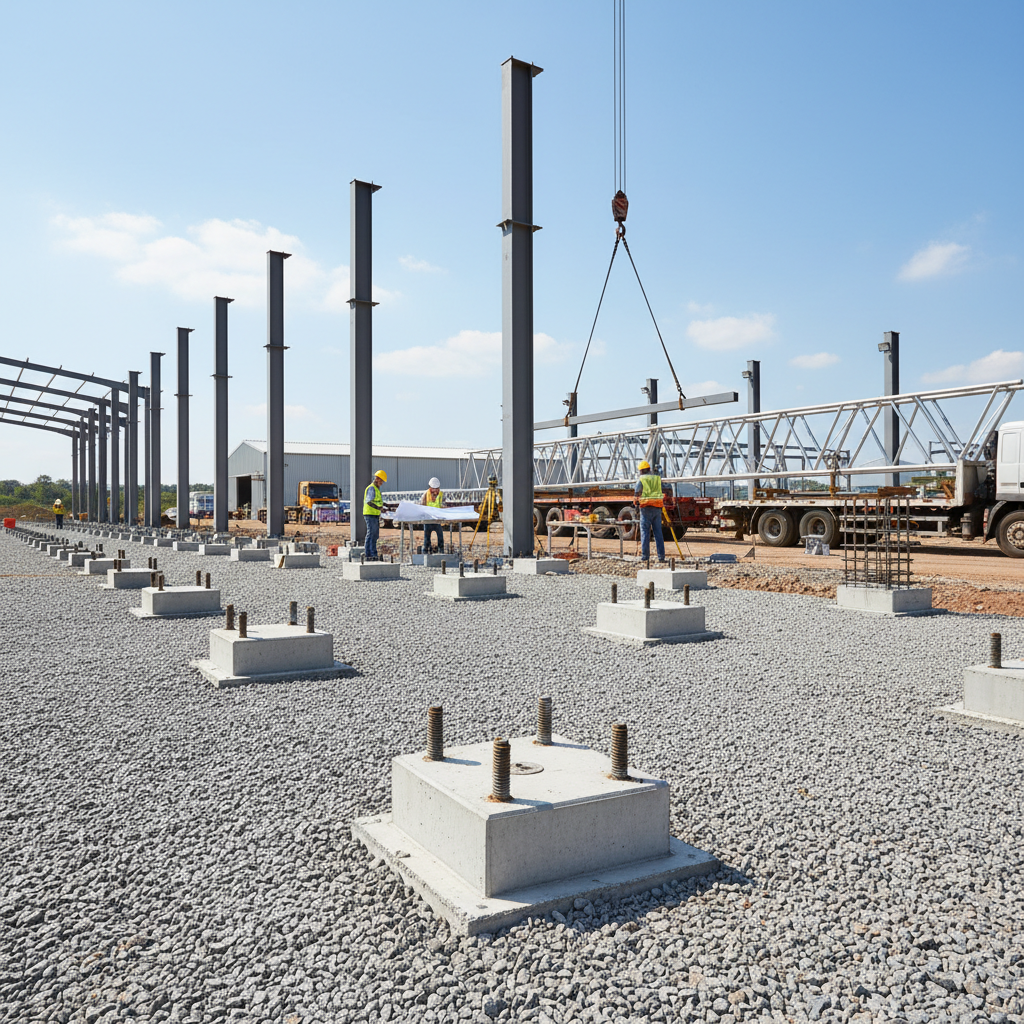
Preparing a site for your steel shed or garage is a critical step that ensures structural integrity and enhances longevity. Whether you're a DIY enthusiast or a professional contractor, understanding the essential elements of site preparation can save time, reduce costs, and lead to successful project outcomes. In this guide, we delve into key considerations such as soil quality, site drainage, regulatory compliance, and more, providing you with a roadmap to a solid foundation.
1. Understanding Soil Quality
Soil quality is one of the most important factors to consider when preparing a site for your steel shed. The stability and drainage characteristics of the soil will directly impact the durability of your structure.
1.1 Soil Type
- Clay: Expands when wet and shrinks when dry, causing foundation issues.
- Sandy: Drains quickly but lacks cohesion, which might require additional support.
- Loamy: Ideal choice with good drainage and stability.
1.2 Soil Testing
Conduct a soil test to determine:
- pH levels: Affects metal corrosion.
- Compaction suitability: Determines load-bearing capacity.
- Moisture content: Critical for determining drainage design.
1.3 Recommendations
- Hire a geotechnical engineer for thorough analysis.
- Use additives to improve poor soil conditions.
2. Site Drainage Considerations
Proper drainage is vital to prevent water accumulation and potential damage to your steel shed over time.
2.1 Evaluate Existing Drainage
Inspect how water flows over the property and consider:
- Natural slopes: Should direct water away from the shed foundation.
- Nearby bodies of water: Be aware of possible flooding conditions.
2.2 Grading the Site
- Grade the site to create a slope of at least 1% away from the foundation.
- Install drainage ditches or French drains as needed to manage excess water.
3. Local Regulations and Permits
Before starting your site preparation, check with local authorities regarding construction regulations.
3.1 Building Codes
- Ensure that your shed meets local building codes, including height restrictions and material specifications.
- Check zoning laws to confirm that you are allowed to build on the selected site.
3.2 Permitting Process
- Obtain necessary permits to avoid future legal issues.
- Consider consulting with local building officials for guidance.
4. Foundation Types and Construction
The foundation provides the necessary support for your steel shed and affects its overall performance and stability.
4.1 Foundation Options
- Concrete Slab: Ideal for level sites, provides a sturdy and durable base.
- Pier and Beam: Useful for uneven ground and offers better airflow.
- Post Foundations: Best for areas with high moisture to minimize wood decay.
4.2 Quality Construction Principles
- Ensure uniform thickness in the concrete slab for even weight distribution.
- Use reinforcement bars (rebar) within the concrete for added strength.
- Allow time for proper curing of concrete, which may take several days.
5. Accessibility Considerations
Making sure that your site is accessible during construction as well as for ongoing use is crucial.
5.1 Access for Equipment
- Ensure there’s adequate access for delivery trucks and construction equipment.
- Plan for temporary pathways if the ground becomes muddy or uneven.
5.2 Utility Connections
- Identify the location of necessary utilities (electricity, water).
- Consider future requirements for lighting and electrical outlets in your shed.
Conclusion
Preparing a site for your steel shed involves numerous factors that, when properly managed, can significantly enhance both the project's efficiency and the structure's longevity. From understanding soil quality to adhering to local regulations, each step is vital for a successful build. Thorough planning and execution will pay off in the long run, providing a secure and functional space for your needs.
Key Takeaways
- Conduct soil testing to inform your foundation choice.
- Proper drainage design is essential to extend the lifespan of your steel shed.
- Adhere to local building codes and obtain necessary permits before commencing.
- Choose the right foundation type that suits your specific site conditions.
By following these guidelines, you can create a solid and well-prepared site for your steel shed, ensuring years of functionality and performance. Remember, a great structure starts with a great foundation!