Introduction
In the realm of steel framing, the choice of connection type can significantly influence the structural integrity and longevity of a building. Among the various types of connections, welded connections stand out when it comes to strength and resilience. This article delves into why welded connections matter, especially in the construction of sheds and garages, providing essential knowledge for engineers, councils, distributors, and end users alike.
The Basics of Steel Framing Connections
Steel framing connections play a critical role in how structures resist loads and environmental stresses. The two most common types of connections in the industry are:
- Welded connections: Typically involve the fusion of metal pieces by applying intense heat, creating a strong, monolithic bond.
- Bolted connections: Utilize mechanical fasteners to hold components together, which can introduce possible points of weakness through shear and tensile forces.
Understanding Welded Connections
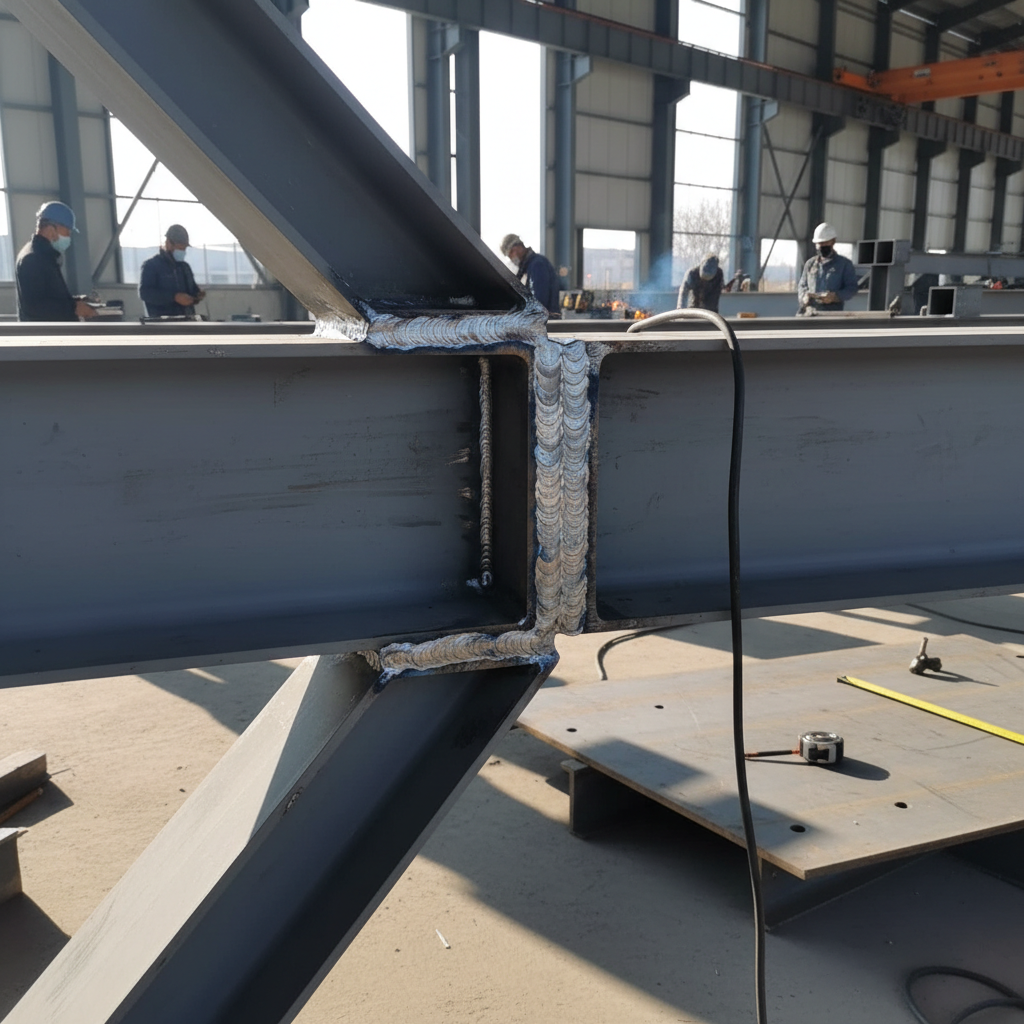
Welded connections provide several notable advantages:
- Continuous Connection: Welds create a continuous bond without gaps, allowing for effective load transfer.
- Improved Strength: Welded joints offer higher resistance to tensile and compressive forces compared to bolted connections.
- Better Fatigue Resistance: Welds are less prone to failure under repeated loading conditions, which is essential in dynamic environments.
Understanding Bolted Componentry
Conversely, bolted connections also have their place:
- Ease of Assembly: Bolted structures can be assembled quickly and disassembled easily if needed.
- Flexibility: They allow for minor adjustments during installation, which can be beneficial in certain scenarios.
- Cost-Effectiveness: In some applications, bolted connections can be less expensive initially due to lower labor costs.
However, these benefits come with potential drawbacks that can impact the overall structural quality.
The Advantages of Welded Connections
Structural Integrity
- Uniform Load Distribution: Welded structures distribute loads evenly, minimizing stress concentrations that can lead to failure.
- Reduced Vulnerability: By eliminating mechanical fasteners, welded connections are less vulnerable to loosening due to vibrations or thermal movements.
Expert Tip: "For any construction that demands longevity and durability, opting for welded connections should be a primary consideration." – Structural Engineer
Durability and Maintenance
- Resistant to Corrosion: Welds can be coated and treated more uniformly than bolted connections, resulting in increased resistance to corrosion.
- Lower Maintenance Needs: With fewer components to check, welded constructions often require less frequent inspections.
Aesthetic Appeal
- Cleaner Lines: Welded frames provide a more streamlined appearance without protruding fasteners, which can be more visually appealing.
- Customizability: Welded connections allow for more complex designs, potentially enabling unique architectural features.
Welded vs. Bolted: Practical Examples
Case Study: Garage Construction
Consider a garage structure built using welded connections:
- The frame can withstand heavy snow loads without risk of buckling or joint failure.
- Maintenance is reduced, as welds require little oversight compared to monitoring bolted connections for loosening.
In contrast, a bolted garage may need periodic checks to ensure bolts remain tight, particularly after seasonal temperature changes cause expansion and contraction.
Case Study: Sheds in Varied Climates
In environments with high winds, welded steel framing offers strength against lateral forces:
- Structures remain intact during storms, preventing costly damage.
- The integrity maintained through welded connections reduces repair costs and downtime, ensuring consistent use throughout the years.
Key Considerations When Choosing Connections
As you evaluate construction options, consider the following:
- Load Requirements: Identify the structural loads expected throughout the building's life.
- Environmental Factors: Assess exposure to weather elements that may influence long-term durability.
- Design Complexity: Factor in the architectural design which may lend itself better to welded connections.
- Cost vs. Value: Weigh initial costs of construction against long-term maintenance and repair costs.
Conclusion
In summary, welded connections are critical for enhancing the overall quality and durability of steel-framed structures. Their ability to provide uniform load distribution, reduce maintenance needs, and endure harsh environmental conditions make them a preferred choice for both residential and commercial projects. When planning any construction, especially sheds and garages, understanding the choice between welded and bolted connections is crucial for achieving a long-lasting and resilient outcome.
Key Takeaways
- Choose welded connections for improved strength, stability, and lower maintenance.
- Evaluate the type of construction needed based on specific environmental and load factors.
- Prioritize quality in frame construction for enhanced safety and longevity.